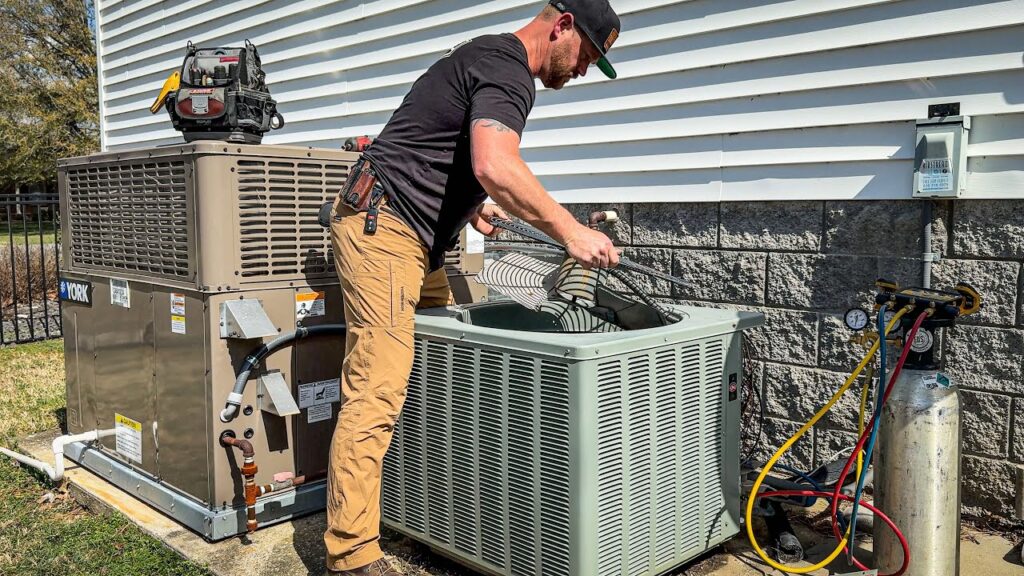
Excess moisture can create problems throughout a home. While occasional humidity is normal, consistently damp indoor conditions can contribute to musty odors, condensation, mold growth, and deterioration of certain building materials.
A properly selected and maintained dehumidifier can help control indoor humidity by removing excess moisture from the air. While a dehumidifier cannot fix leaks or repair existing damage, it can be an important part of a broader moisture-management strategy.
Understanding how humidity affects your home can help you recognize potential problems before they become more serious.
Why Excess Moisture Can Be a Problem
Indoor humidity comes from many everyday activities, including cooking, showering, bathing, and drying clothes. Outdoor weather can also affect indoor moisture levels.
When moisture accumulates faster than it can be removed, humidity may remain elevated for extended periods. This can cause condensation on cooler surfaces and create conditions that are more favorable to mold and other unwanted biological growth.
Persistent moisture can also affect materials such as wood, drywall, insulation, and flooring.
How Dehumidifiers Work
A dehumidifier pulls humid air into the unit and removes moisture before returning the air to the home.
As the system operates, it lowers the amount of water vapor in the indoor air. This can help maintain a more controlled humidity level.
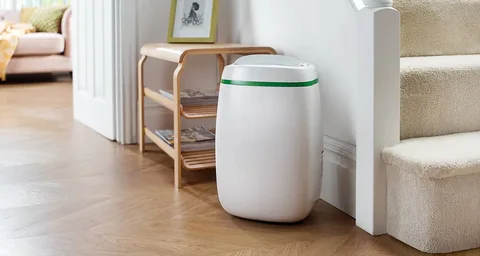
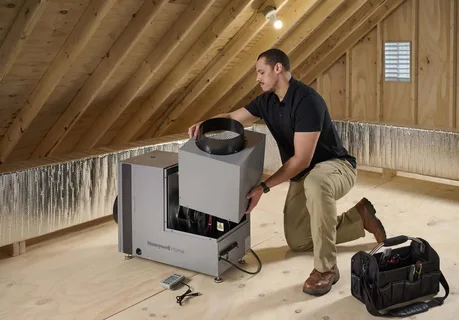
Dehumidifiers are available as portable units and whole-home systems. The appropriate option depends on the size of the space, moisture levels, existing HVAC equipment, and the source of the humidity.
Dehumidifiers Can Help Reduce Mold-Friendly Conditions
Mold requires moisture to grow. Controlling excess indoor humidity can help reduce one of the conditions that supports mold growth.
A dehumidifier does not eliminate existing mold, and it should not be considered a substitute for professional mold remediation when growth is already present. Instead, humidity control can help reduce ongoing moisture conditions.
If you see visible mold, investigate the source of the moisture and address the problem rather than relying solely on a dehumidifier.
Helps Reduce Condensation
Condensation occurs when humid air comes into contact with a surface that is cool enough for water vapor to turn into liquid.
You may notice condensation on:
- Windows
- Pipes
- Exterior walls
- Air conditioning components
- Other cool surfaces
Repeated condensation can contribute to moisture-related problems over time. Reducing excessive indoor humidity can help limit the amount of moisture available to condense on these surfaces.
Protects Wood From Excessive Moisture
Wood can respond to changes in moisture by expanding and contracting. Prolonged exposure to excessive humidity can affect certain wood products, flooring, cabinetry, trim, and other components.
Maintaining more stable indoor humidity can help reduce unnecessary moisture exposure.
However, a dehumidifier cannot correct damage that has already occurred. If wood is visibly swollen, soft, stained, or deteriorating, the underlying moisture source should be investigated.
Helps Protect Drywall and Insulation
Drywall and insulation can also be affected by persistent moisture. Damp conditions may lead to staining, deterioration, odors, and other problems.
If water has entered walls or insulation because of a plumbing leak, roof problem, foundation issue, or other source, simply running a dehumidifier may not be enough.
The water source must be corrected, and affected materials may need to be evaluated.
Basements Can Benefit From Humidity Control
Basements are often more vulnerable to moisture because of their location below or partially below ground level. Humidity can enter through the surrounding environment, and poor ventilation can make moisture problems worse.
A properly sized dehumidifier can help manage humidity in a basement and make the space more comfortable.
However, homeowners should also check for foundation leaks, plumbing problems, drainage issues, and other sources of unwanted water.
Dehumidification Can Support HVAC Performance
Air conditioning removes some moisture as part of the cooling process. However, an HVAC system may not always provide sufficient humidity control, particularly when the temperature is comfortable but moisture levels remain high.
A dedicated dehumidifier can provide additional moisture control when needed.
An HVAC professional can evaluate the existing system and determine whether whole-home or localized dehumidification would be appropriate.
Whole-Home vs. Portable Dehumidifiers
Portable dehumidifiers can be useful for individual rooms or localized moisture problems. They are often used in basements, laundry areas, or other spaces where humidity tends to be higher.
Whole-home systems are designed to provide broader humidity control and may integrate with the home’s HVAC system.
The best choice depends on the home’s layout, humidity levels, and specific moisture concerns.
Proper Sizing Is Important
A dehumidifier needs to be appropriately sized for the space and moisture load. A unit that is too small may struggle to control humidity, while an unnecessarily large system may not provide the intended operation.
Factors that can affect sizing include:
- Home size
- Indoor humidity levels
- Climate
- Basement or crawl space conditions
- Number of occupants
- Existing HVAC equipment
- Sources of moisture
Professional evaluation can help determine what type and capacity of system is appropriate.
Fix Water Problems at the Source
A dehumidifier is a moisture-control tool, not a solution for active water intrusion.
If you notice water stains, leaks, standing water, damp walls, or wet insulation, determine where the moisture is coming from.
Potential sources may include:
- Plumbing leaks
- Roof leaks
- Foundation problems
- Poor drainage
- Condensation
- Inadequate ventilation
Fixing the source should be the priority. Dehumidification can then help manage remaining indoor humidity.
Watch for Early Warning Signs
Recognizing moisture problems early can help prevent more extensive damage.
Keep an eye out for:
- Persistent musty odors
- Window condensation
- Peeling paint
- Discoloration
- Swollen wood
- Damp areas
- Visible mold
- Excessive indoor humidity
These signs do not always indicate the same underlying problem, so persistent concerns should be evaluated rather than treated with a dehumidifier alone.
Maintain Your Dehumidifier
A dehumidifier needs regular care to operate properly. Follow the manufacturer’s recommendations for cleaning and maintenance.
Depending on the system, maintenance may include:
- Cleaning or replacing filters
- Checking drainage
- Cleaning coils
- Inspecting components
- Monitoring performance
A neglected unit may not remove moisture effectively and could develop operational problems.
Monitor Indoor Humidity
Using a humidity monitor can provide a clearer picture of indoor conditions. Instead of relying solely on whether a room feels damp, homeowners can track humidity levels and identify persistent changes.
If indoor humidity remains high despite normal HVAC operation and dehumidification, a professional assessment may help identify the underlying cause.
Why Choose Eco Comfort Solutions LLC?
Effective moisture control requires more than placing a dehumidifier in a damp room. The home’s HVAC system, ventilation, insulation, drainage, and potential moisture sources should all be considered.
Eco Comfort Solutions LLC can help homeowners evaluate their indoor humidity and HVAC needs and determine whether a dehumidification solution is appropriate. Addressing moisture conditions early can help support a more comfortable indoor environment and protect the home from moisture-related concerns.
Protect Your Home With Better Moisture Control
Excess humidity can contribute to conditions that support mold growth and may affect certain building materials over time. A properly sized and maintained dehumidifier can help control indoor moisture and become an important part of a home’s overall moisture-management strategy.
For the best results, combine humidity control with proper ventilation, HVAC maintenance, and prompt attention to leaks or other sources of water. Managing moisture before it becomes a larger problem can help protect both the comfort and condition of your home.