Your home’s air ducts play an essential role in your HVAC system by distributing heated and cooled air throughout every room. Over time, dust, dirt, pet dander, pollen, and other airborne particles can accumulate inside the ductwork. While air ducts don’t need frequent cleaning, scheduling professional service at the right time can improve indoor air quality, increase HVAC efficiency, and help your system perform at its best.
At Eco Comfort Solutions LLC, we help homeowners maintain healthy, comfortable indoor environments through professional HVAC and indoor air quality services. Here’s what you should know about how often your home’s air ducts should be cleaned.
How Often Should Air Ducts Be Cleaned?
For most homes, professional air duct cleaning is recommended every 3 to 5 years. However, the ideal schedule depends on several factors, including your home’s environment, the condition of your HVAC system, and your household’s specific needs.
Regular inspections can help determine whether your ductwork needs cleaning sooner.
Factors That May Require More Frequent Cleaning
Some homes benefit from air duct cleaning more often than the standard recommendation.
You may want to schedule cleaning sooner if:
- You have multiple pets that shed frequently.
- Someone in your home has allergies or asthma.
- A family member has respiratory sensitivities.
- You recently completed a home renovation or remodeling project.
- You notice excessive dust throughout your home.
- You recently moved into an older home with an unknown maintenance history.
- You smoke indoors.
- Your home has experienced water damage or flooding.
These situations can lead to faster buildup of contaminants inside the duct system.
Signs Your Air Ducts May Need Cleaning
Even if it hasn’t been several years since your last service, certain warning signs may indicate it’s time for a professional inspection.
Watch for:
- Excessive dust collecting on furniture
- Dust blowing from air vents
- Musty or unpleasant odors
- Visible debris around supply registers
- Increased allergy symptoms indoors
- Uneven airflow between rooms
- Reduced HVAC efficiency
If you notice one or more of these issues, it’s worth having your ductwork evaluated.
What Builds Up Inside Air Ducts?
Your HVAC system circulates air continuously, allowing contaminants to collect over time.
Common buildup includes:
- Household dust
- Pet hair and dander
- Pollen
- Dirt and debris
- Lint
- Mold spores (when moisture is present)
- Construction debris after renovations
Removing these materials helps maintain cleaner airflow throughout your home.
Benefits of Professional Air Duct Cleaning
Cleaning your air ducts offers several advantages for both your HVAC system and indoor environment.
Improved Indoor Air Quality
Removing accumulated dust and airborne particles helps provide cleaner air throughout your home.
Better HVAC Efficiency
Clean ductwork allows air to move more freely, reducing strain on your heating and cooling equipment.
Reduced Dust Around the Home
Cleaner ducts can decrease the amount of dust that settles on furniture, floors, and other surfaces.
Elimination of Unpleasant Odors
Removing trapped debris and contaminants can help eliminate stale or musty smells coming from your vents.
Extended HVAC System Life
Improved airflow reduces wear on system components, helping your HVAC equipment operate more efficiently over time.
The Importance of HVAC Filter Maintenance
Air duct cleaning works best when combined with regular air filter replacement.
Depending on the type of filter and household conditions, filters should generally be checked every month and replaced every 1 to 3 months.
Clean filters help:
- Reduce dust buildup
- Improve airflow
- Protect HVAC components
- Maintain indoor air quality
Replacing filters regularly can also help extend the time between duct cleanings.
What Happens During Professional Air Duct Cleaning?
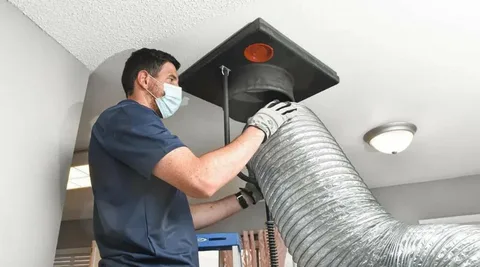
Professional duct cleaning involves more than simply vacuuming visible vents.
A complete service typically includes:
- Inspection of the duct system
- Removal of dust and debris
- Cleaning supply and return ducts
- Cleaning registers and grilles
- Inspection for airflow restrictions
- Evaluation of system cleanliness
Professional equipment allows technicians to clean areas that are difficult to reach with household tools.
Can You Prevent Dirt Buildup?
While some dust is unavoidable, homeowners can reduce contamination by following good HVAC maintenance practices.
Helpful habits include:
- Replacing air filters regularly
- Keeping vents clean and unobstructed
- Vacuuming frequently
- Controlling indoor humidity
- Scheduling annual HVAC maintenance
- Keeping pets well groomed
These steps help keep your HVAC system cleaner between professional services.
Why Choose Eco Comfort Solutions LLC?
Eco Comfort Solutions LLC provides professional HVAC maintenance and indoor air quality services designed to keep your home comfortable and your heating and cooling system operating efficiently. Their experienced team offers:
- Air duct inspections and cleaning
- HVAC maintenance and tune-ups
- Heating and cooling repairs
- Indoor air quality solutions
- Professional system evaluations
Their commitment to quality service helps homeowners enjoy cleaner air and more reliable HVAC performance.
Conclusion
Most homeowners should schedule professional air duct cleaning every three to five years, although factors such as pets, allergies, remodeling projects, and indoor air quality concerns may require more frequent service. Combined with regular HVAC maintenance and timely air filter replacement, clean ductwork helps improve airflow, reduce contaminants, and support a healthier home.
With Eco Comfort Solutions LLC, you can keep your home’s air ducts clean, improve indoor air quality, and ensure your HVAC system continues to perform efficiently for years to come.