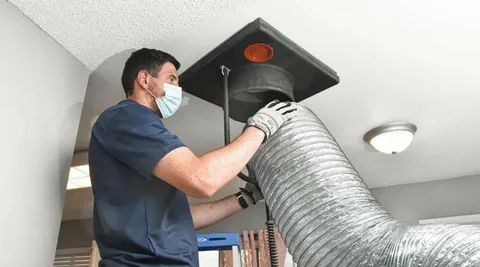
Air ducts play an important role in distributing heated and cooled air throughout your home. Over time, dust, dirt, pet hair, and other particles can accumulate inside the HVAC system and surrounding components. When the system operates, some of these particles may circulate through the living space.
Regular air duct maintenance can help keep the HVAC system cleaner and support better indoor air quality. While duct cleaning is not necessary for every home on a fixed schedule, knowing what to check and when to call a professional can help you manage dust and potential allergens more effectively.
Change Your HVAC Filters Regularly
One of the simplest ways to reduce airborne dust is to keep your HVAC filter clean. The filter captures particles before they can move through the system and into your home’s air supply.
How often a filter needs to be changed depends on factors such as:
- Filter type
- HVAC system design
- Number of people in the home
- Pets
- Indoor air quality
- Household activities
A filter that becomes heavily loaded with dust can restrict airflow and reduce system efficiency. Check the filter regularly and replace it according to the manufacturer’s recommendations or when it becomes visibly dirty.
Keep Supply and Return Vents Clean
Dust can accumulate around supply registers and return vents. These areas should be cleaned as part of your regular household maintenance.
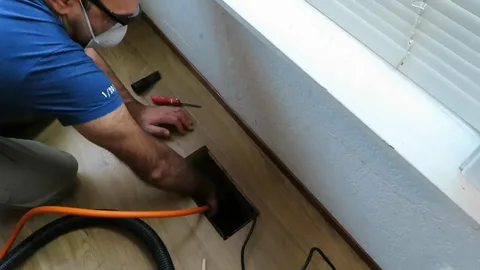
Use a vacuum with an appropriate attachment to remove visible dust from vent covers and surrounding surfaces. If a vent cover can be safely removed, clean both the cover and the accessible area behind it.
Keeping these areas clean can reduce the amount of loose dust near the HVAC system.
Keep the Area Around Your HVAC System Clean
The condition of the area around your HVAC equipment can also affect the amount of dust that enters the system.
Avoid storing dusty materials, boxes, fabrics, or other debris directly around the equipment. Keep the surrounding area reasonably clean and make sure the system has the space required for proper operation and maintenance.
A clean equipment area makes it easier to identify leaks, moisture, unusual buildup, or other potential concerns.
Control Indoor Dust
Air duct maintenance works best when combined with general dust control throughout the home. Regular vacuuming and dusting can reduce the amount of material that eventually reaches the HVAC system.
Use a vacuum with an effective filtration system where appropriate, particularly if household members are sensitive to airborne particles.
Wash bedding, curtains, and other fabric items regularly as well. These materials can collect dust and release particles into the indoor environment.
Pay Attention to Pet Hair and Dander
Homes with pets may accumulate additional hair and dander. These particles can settle on furniture, flooring, filters, and other HVAC components.
Regular grooming and cleaning can help reduce the amount of pet-related material circulating indoors. Vacuuming frequently and keeping HVAC filters properly maintained can also help manage the overall particle load.
If you notice significant buildup around vents or inside accessible HVAC components, consider having the system professionally evaluated.
Check for Moisture Problems
Moisture inside or around an HVAC system can create conditions that contribute to unwanted biological growth. This is one reason moisture control is an important part of HVAC maintenance.
Watch for signs such as:
- Water around HVAC equipment
- Persistent musty odors
- Damp insulation
- Visible moisture inside accessible duct areas
- Unexplained increases in indoor humidity
If you discover moisture problems, address the underlying source rather than simply cleaning the visible area.
Inspect Ductwork for Damage
Ductwork can develop gaps, loose connections, damaged insulation, or other problems over time. Damaged ducts may affect airflow and allow contaminants to enter areas where they should not.
During HVAC maintenance, accessible ductwork can be inspected for obvious signs of damage or deterioration.
If you notice disconnected sections, unusual dust accumulation around duct joints, or damaged insulation, professional inspection may help determine whether repairs are necessary.
Know When Professional Duct Cleaning May Help
Not every HVAC system requires routine professional duct cleaning. However, there are situations where an inspection and cleaning may be appropriate.
Potential reasons to have ductwork evaluated include:
- Visible buildup inside ducts
- Significant dust accumulation
- Evidence of pests
- Suspected contamination
- Recent construction or renovation
- Persistent unexplained odors
- Ductwork that has not been properly maintained
A professional can evaluate the condition of the system and determine whether cleaning is appropriate rather than recommending unnecessary work.
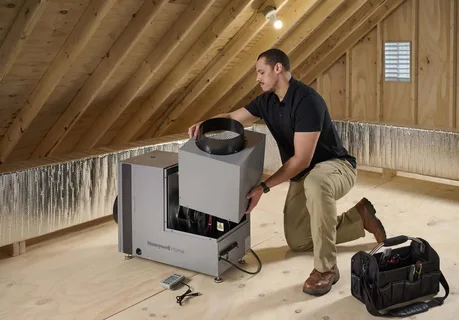
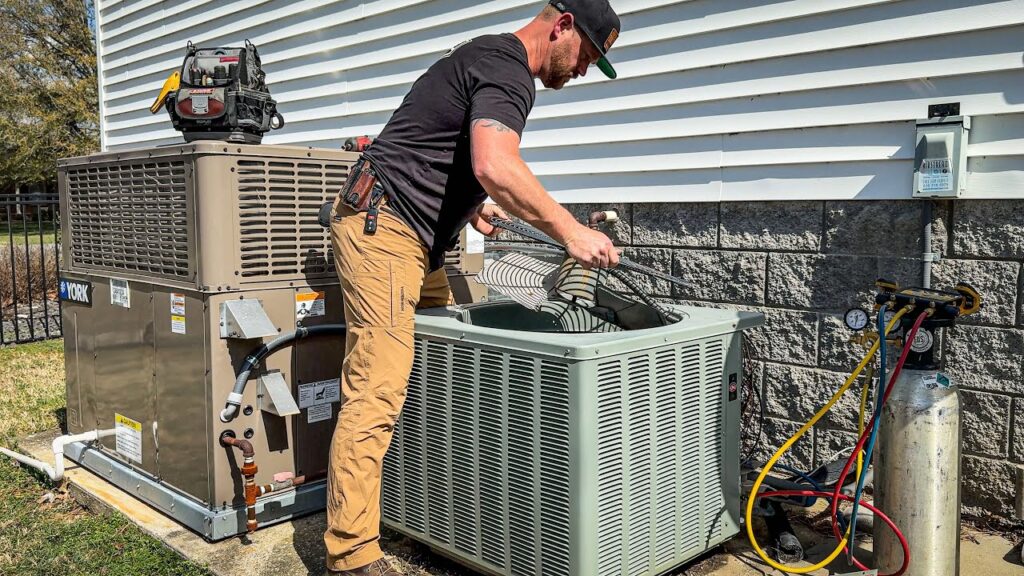
Keep HVAC Components Maintained
Air ducts are only one part of the HVAC system. Other components, including coils, blower assemblies, drain systems, and filters, also require appropriate maintenance.
A system that is properly maintained can operate more effectively and may provide better overall air circulation.
Follow the manufacturer’s maintenance recommendations and schedule professional HVAC service when necessary.
Seal Duct Leaks When Needed
Leaky ductwork can allow conditioned air to escape and may contribute to unwanted air movement through gaps or damaged connections.
If an inspection identifies duct leaks, appropriate sealing can help improve the integrity of the duct system.
Professional evaluation is especially useful when ductwork is located in difficult-to-access areas such as attics, crawl spaces, or behind finished surfaces.
Be Careful With DIY Duct Cleaning
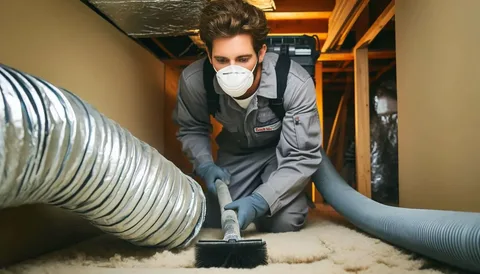
It can be tempting to clean as much of the duct system as possible yourself. Basic cleaning of accessible vent covers is generally straightforward, but deeper duct cleaning can be more complicated.
Improper tools or techniques may damage ductwork, disturb insulation, or spread dust into the home.
If significant buildup is present or the duct system needs a thorough inspection, professional service can provide a safer and more controlled approach.
Consider Indoor Air Quality Improvements
If dust and airborne particles remain a concern after basic maintenance, there may be other HVAC and indoor air quality options worth considering.
Depending on the home’s HVAC system, these may include improved filtration, air purification equipment, humidity control, or other solutions.
The appropriate option depends on the home’s conditions and the HVAC system already in place. An indoor air quality assessment can help identify which improvements make sense.
Maintain a Consistent HVAC Maintenance Routine
Duct maintenance should not be treated as a one-time task. A consistent HVAC maintenance routine can help homeowners identify problems before they become more significant.
A basic routine can include:
- Checking HVAC filters regularly.
- Cleaning accessible vents and registers.
- Keeping the HVAC area clean.
- Watching for moisture or unusual odors.
- Inspecting accessible ductwork for damage.
- Scheduling professional HVAC maintenance when needed.
- Addressing indoor dust sources throughout the home.
These simple steps can help keep the system and surrounding environment cleaner.
Why Choose Eco Comfort Solutions LLC?
Managing dust and allergens involves more than simply cleaning visible air vents. The condition of the HVAC system, ductwork, filters, airflow, moisture levels, and indoor environment can all play a role.
Eco Comfort Solutions LLC can help homeowners evaluate their HVAC and indoor air quality needs and determine whether duct maintenance, cleaning, repairs, or other solutions are appropriate. Professional assessment can help ensure that maintenance efforts address actual problems rather than unnecessary services.
Keep Your Air Ducts and HVAC System Well Maintained
Regular attention to your HVAC system can help reduce dust buildup and support a cleaner indoor environment. Simple steps such as replacing filters, cleaning vents, controlling household dust, and watching for moisture can make an important difference.
When deeper duct problems or significant buildup are suspected, professional inspection can help determine the right course of action. With consistent maintenance and the right HVAC care, homeowners can keep their duct systems functioning properly while taking practical steps to manage indoor dust and allergens.