Humidity is a normal part of indoor air, but excessive moisture can make a home feel uncomfortable and contribute to a range of household problems. When indoor humidity remains too high, rooms can feel warmer than they actually are, condensation may appear, and moisture can affect building materials and furnishings.
A home dehumidification system can help manage excess moisture by removing water vapor from indoor air. When properly selected and maintained, dehumidification can support a more comfortable indoor environment while helping homeowners manage moisture-related concerns.
What Is Home Dehumidification?
Dehumidification is the process of removing excess moisture from the air. A dehumidifier draws humid air into the unit, removes moisture, and returns drier air to the room.
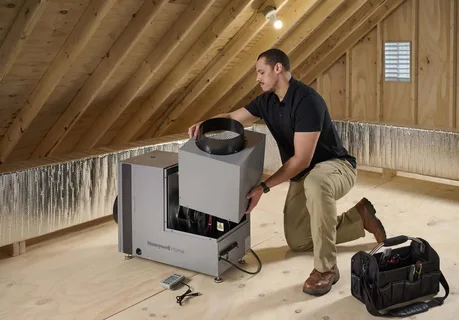
Some homes use portable units, while others may benefit from whole-home dehumidification integrated with the HVAC system.
The right solution depends on factors such as the home’s size, climate, existing HVAC equipment, and indoor humidity levels.
Helps Improve Indoor Comfort
High humidity can make a home feel warmer and more uncomfortable. When there is too much moisture in the air, the body’s natural cooling process may feel less effective.
Managing indoor humidity can make rooms feel more comfortable without relying solely on lower thermostat settings.
This can be particularly useful during warm, humid weather when outdoor moisture levels are elevated.
Supports Better Indoor Air Quality
Humidity management is an important part of overall indoor air quality. Excess moisture can create conditions that are favorable for certain unwanted biological growth and can contribute to musty odors.
A dehumidifier can help maintain a more controlled indoor environment by reducing excessive moisture.
However, dehumidification should be combined with proper ventilation, filtration, cleaning, and HVAC maintenance for a comprehensive indoor air quality strategy.
Helps Manage Moisture-Related Problems
Excess humidity can affect more than comfort. Persistent moisture may contribute to condensation on windows, walls, pipes, and other cool surfaces.
Over time, repeated moisture exposure can affect certain building materials and furnishings.
By helping maintain more consistent indoor humidity, a dehumidifier can be part of a broader strategy for managing moisture in the home.
May Help Protect Furniture and Materials
High humidity can affect wood, fabrics, paper products, and other household materials. Wood components can respond to changes in moisture levels by expanding or contracting.
Keeping indoor humidity within an appropriate range can help create a more stable environment for household furnishings and materials.
This does not replace proper maintenance or repairs, but moisture control can help reduce unnecessary exposure to excessive humidity.
Can Complement Your HVAC System
Air conditioning naturally removes some moisture as it cools indoor air. However, depending on the home’s design and conditions, the cooling system may not always provide all the humidity control needed.
For example, a home may occasionally feel damp even when the temperature is comfortable.
A dedicated dehumidification system can provide additional moisture control when needed. An HVAC professional can evaluate the existing system and determine whether supplemental dehumidification would be appropriate.
May Improve Comfort Without Overcooling
Sometimes homeowners lower the thermostat because a humid room feels warmer than expected. This can result in a colder indoor temperature without fully addressing the underlying humidity problem.
A properly sized dehumidifier can remove excess moisture separately from the home’s temperature control.
This allows the HVAC system and dehumidifier to address two different aspects of indoor comfort: temperature and humidity.
Helps Control Musty Odors
Persistent musty smells can sometimes be associated with excessive moisture. Basements, crawl spaces, bathrooms, and other areas with poor moisture control may be particularly susceptible.
Dehumidification can help reduce the moisture conditions that contribute to musty environments. However, an unusual or persistent odor should not simply be covered up with a dehumidifier.
Homeowners should investigate potential sources such as leaks, drainage problems, standing water, or inadequate ventilation.
Particularly Useful in Damp Areas of the Home
Certain areas are naturally more vulnerable to high humidity. Basements and lower levels, for example, may experience moisture issues because of their location and construction.
Other areas may experience temporary humidity increases from activities such as:
- Showering
- Bathing
- Cooking
- Drying clothes indoors
- Poor ventilation
A properly selected dehumidification solution can help manage moisture in these environments.
Supports a More Consistent Indoor Environment
Indoor humidity can change throughout the day and across seasons. Weather conditions, occupancy, cooking, bathing, and HVAC operation can all affect moisture levels.
A dehumidification system can help maintain more consistent humidity instead of relying entirely on occasional manual adjustments.
Consistent humidity management can make the home feel more comfortable and help reduce large swings in indoor moisture.
Choose the Right Type of Dehumidifier
Not every home requires the same dehumidification solution. Portable units can work well for individual rooms or localized moisture problems, while whole-home systems can provide broader humidity management.
When choosing a system, consider:
- Home size
- Existing HVAC equipment
- Typical indoor humidity
- Areas affected by moisture
- Drainage requirements
- Energy use
- Maintenance needs
A professional evaluation can help determine the appropriate capacity and system type for your home.
Proper Sizing Matters
A dehumidifier that is too small may struggle to control moisture effectively. A system that is unnecessarily large may not operate in the way the home requires.
Proper sizing takes the home’s conditions and moisture load into account.
Rather than choosing a unit based solely on its physical size or advertised capacity, homeowners should consider the actual requirements of the space.
Don’t Use Dehumidification to Hide Water Problems
A dehumidifier can help manage humidity, but it should not be used as a substitute for fixing leaks or other sources of unwanted water.
If you notice:
- Water stains
- Active leaks
- Damp walls
- Standing water
- Persistent condensation
- Wet insulation
The underlying issue should be investigated and corrected.
Dehumidification works best as part of an overall moisture-management strategy.
Keep the System Properly Maintained
Like other HVAC equipment, dehumidifiers need regular maintenance. Filters, drainage components, coils, and other parts should be checked according to the manufacturer’s recommendations.
A poorly maintained unit may not perform as expected and can develop operational problems.
Regular maintenance can also help homeowners identify issues before they become more significant.
Monitor Indoor Humidity
A simple humidity monitor can help homeowners understand what is happening inside the home. Rather than relying only on how the room feels, measuring indoor humidity provides useful information about moisture conditions.
If humidity remains consistently high despite normal HVAC operation, it may be worth having the home’s ventilation and HVAC system evaluated.
Why Choose Eco Comfort Solutions LLC?
Effective humidity management starts with understanding why moisture is accumulating in the home. The right solution may involve dehumidification, HVAC adjustments, ventilation improvements, moisture control, or a combination of these approaches.
Eco Comfort Solutions LLC can help homeowners evaluate their indoor comfort and HVAC needs and determine whether a dehumidification solution is appropriate. Professional assessment can help ensure that the system is properly matched to the home’s conditions.
Create a More Comfortable Home Environment
Excess indoor humidity can affect how your home feels and may contribute to moisture-related concerns. Home dehumidification provides a practical way to manage excess water vapor and maintain a more comfortable indoor environment.
The best approach begins with identifying the source and level of indoor moisture. With appropriate equipment, proper sizing, and regular maintenance, homeowners can take greater control of humidity while supporting the comfort and condition of their home.